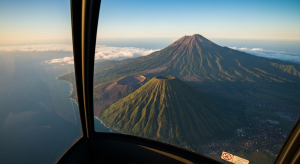
Wildlife Helicopter Tours 2027: A New Perspective on Animal Observation
In 2027, wildlife helicopter tours are expected to become a pivotal method for animal observation, offering unique aerial perspectives while promoting eco-tourism. These tours not only provide an exciting way to witness wildlife but also support conservation efforts by minimising ground disturbance.
Wildlife Helicopter Tours 2027: An Elevated Outlook
The concept of wildlife helicopter tours is gaining significant traction as we approach 2027. These tours provide a unique vantage point for observing wildlife in their natural habitats, without the need for invasive ground-based excursions. As the demand for eco-tourism flights increases, helicopter tours offer a sustainable solution by reducing the environmental impact typically associated with traditional animal observation tours. The helicopter tours market is projected to grow significantly, with estimates suggesting a 15% annual increase in demand as more travellers prioritise eco-friendly travel options.
How Helicopter Tours Are Revolutionising Wildlife Observation in 2027
Helicopter tours have become an essential tool for wildlife observation in 2027. By flying over regions rich in biodiversity, these tours allow participants to view animals from above, reducing the risk of disrupting their natural behaviours. This method is particularly advantageous for observing species that are sensitive to human presence, such as the critically endangered Javan Rhino, which resides in the dense forests of Ujung Kulon National Park. These tours often cover vast areas, ranging from 50 to 100 kilometres, in a single flight, offering an extensive view of diverse ecosystems.
With advancements in aerial technology, helicopters now offer quieter engines and eco-friendly operations that align with global sustainability goals. The introduction of electric and hybrid helicopter models has reduced noise pollution and carbon emissions significantly, making these tours more appealing to environmentally conscious travellers. This has resulted in a surge of interest in eco-tourism flights, as travellers seek experiences that contribute to wildlife conservation while indulging in the thrill of flight. The use of advanced imaging technology, such as high-resolution cameras and thermal imaging, enhances the ability to study wildlife from a distance, providing valuable data for conservationists.
Advantages of Animal Observation Tours by Helicopter
- Reduced Environmental Footprint: Helicopters provide access to remote areas without the need for infrastructure development that could harm natural habitats. This is particularly beneficial in regions like the Borneo rainforest, where road construction could severely impact the ecosystem.
- Unique Perspectives: Aerial views offer a comprehensive understanding of animal migratory patterns and interactions. For instance, the annual migration of elephants across the African savannah can be observed in its entirety from the air, providing insights into their movement and behaviour.
- Efficient Coverage: Helicopters can cover large areas quickly, maximising the observation time for endangered species. A typical tour might last between one to two hours, covering distances up to 150 kilometres, allowing for extensive wildlife observation.
- Advanced Technology: Equipped with modern imaging tools, helicopters provide detailed observations and data collection. This includes real-time data transmission to research stations, enabling immediate analysis and response to conservation challenges.
For more insights into how these tours operate and their benefits, visit our extensive FAQ page.
The Role of Eco-Tourism Flights in Conservation
Eco-tourism flights are increasingly recognised as valuable contributors to conservation efforts. By offering an alternative to ground-based wildlife tours, they help preserve fragile ecosystems and promote awareness about the importance of protecting biodiversity. These flights also generate funding for conservation projects, furthering efforts to protect endangered species and their habitats. For example, a portion of the proceeds from these tours is often allocated to local conservation initiatives, such as habitat restoration and anti-poaching patrols.
Helicopter tours are not just about observing wildlife; they play an integral role in educating participants about environmental issues. By incorporating educational elements into these tours, operators ensure that travellers leave with a deeper understanding and appreciation of the ecosystems they witness. This may include on-board experts who provide commentary on the ecological significance of the areas being flown over, as well as the challenges faced by local wildlife.
2027 Note: The Future of Wildlife Helicopter Tours
As we look towards 2027, the future of wildlife helicopter tours appears promising. With technological advancements and growing awareness of sustainable tourism practices, these tours are set to become a cornerstone of eco-tourism. Innovations in helicopter design, including quieter and more fuel-efficient models, will further enhance their appeal to environmentally conscious travellers. The integration of artificial intelligence for flight path optimisation and wildlife identification is also on the horizon, promising to enhance the efficiency and educational value of these tours.
For those interested in experiencing the wonders of wildlife from above, our helicopter tour options offer a perspective on Bali’s diverse fauna and landscapes. These tours often include visits to key conservation sites, providing a comprehensive view of the island’s natural beauty and the efforts being made to preserve it.
FAQ
How are helicopter tours being used for wildlife observation in 2027?
In 2027, helicopter tours are employed to observe wildlife from an aerial perspective, minimising disturbance to animals and their habitats while allowing comprehensive data collection and analysis. This method is particularly effective in regions where ground access is limited or could cause ecological damage.
What technological advancements support eco-friendly helicopter tours?
Advancements include quieter engines, improved fuel efficiency, and enhanced imaging tools, making helicopter tours more sustainable and effective for wildlife observation. The development of hybrid and electric helicopter models is a key factor in reducing the environmental impact of these tours.
Are wildlife helicopter tours suitable for all ages?
While suitable for most ages, it’s recommended to check specific tour requirements and restrictions, which may vary based on the operator and helicopter model. Safety briefings and equipment are provided to ensure a comfortable and secure experience for all participants.